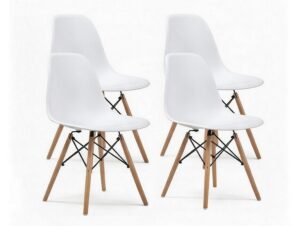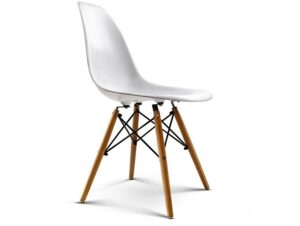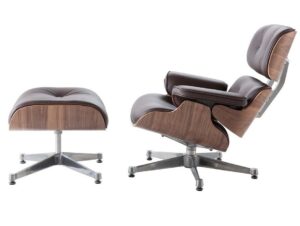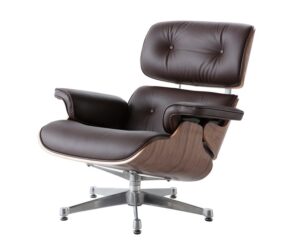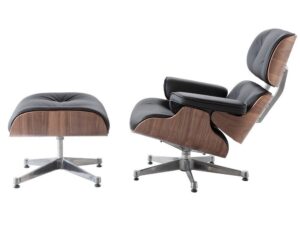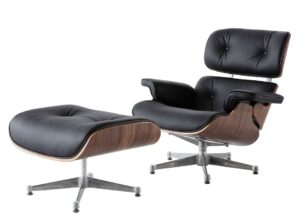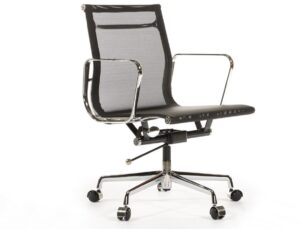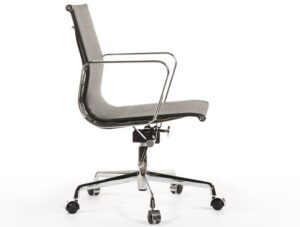

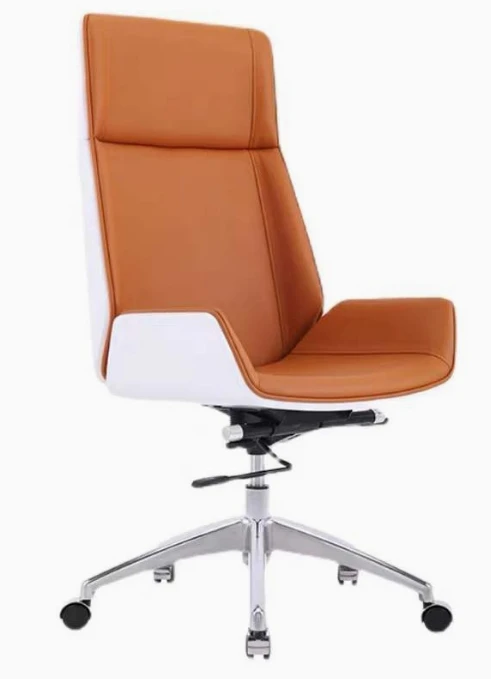
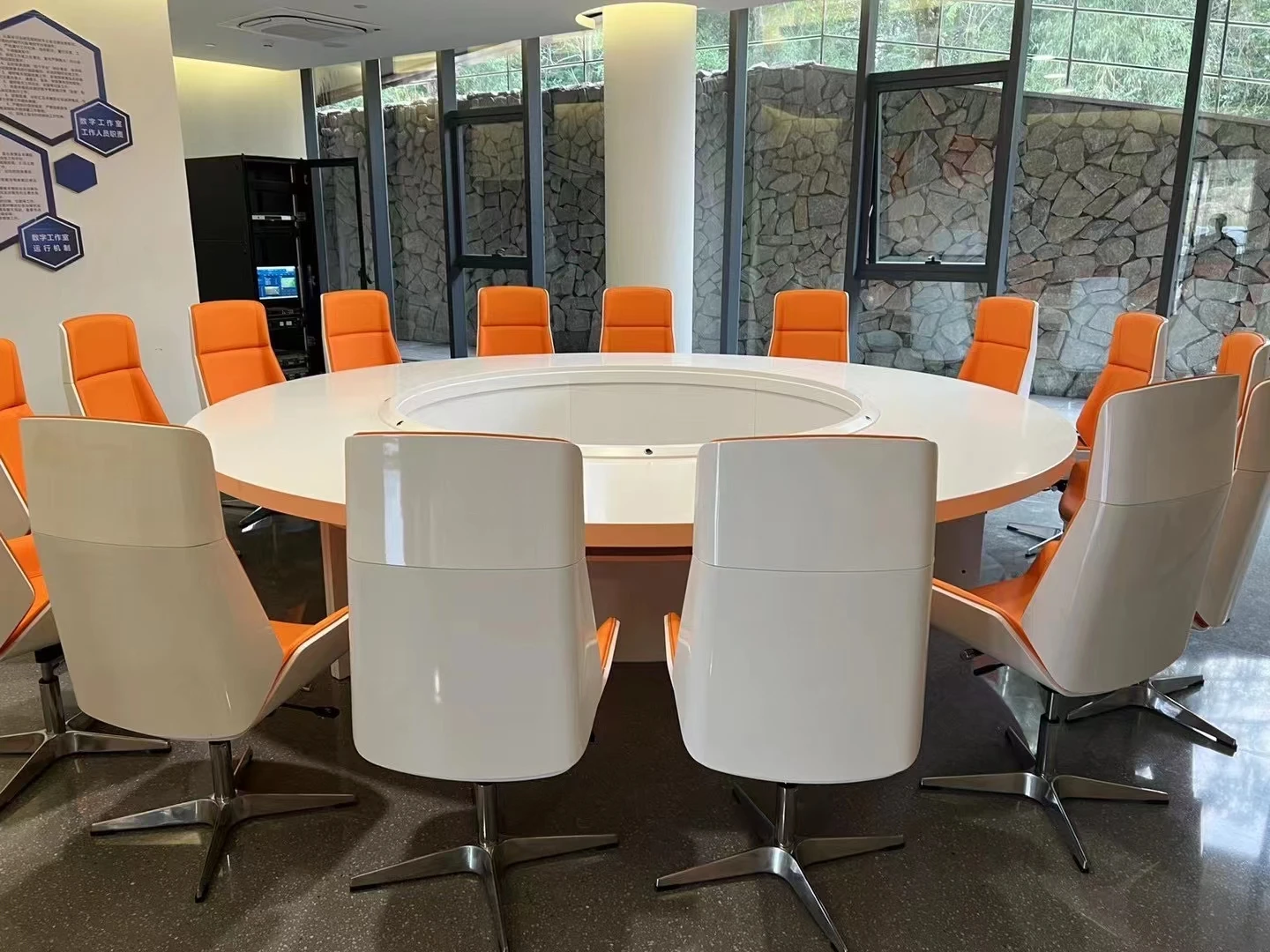
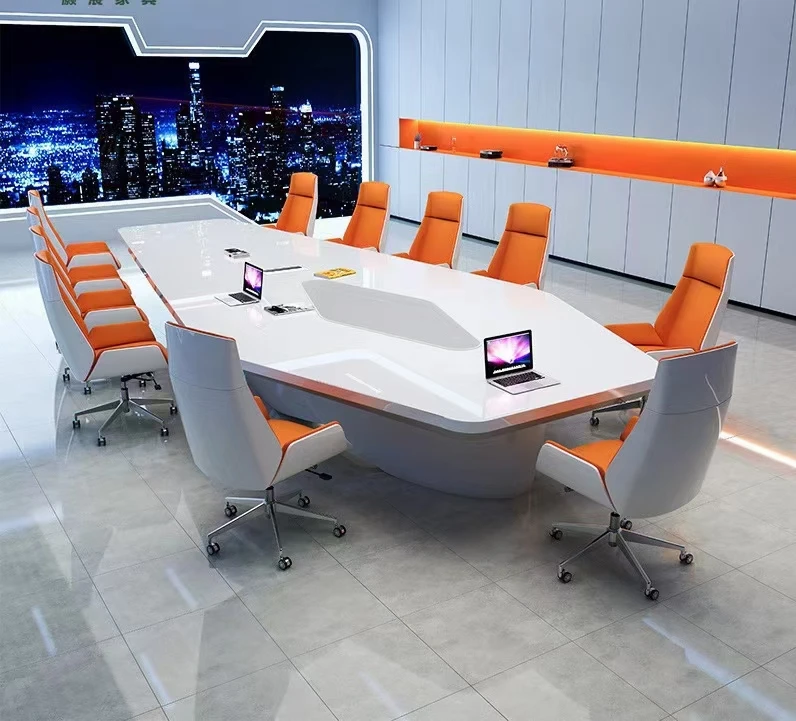
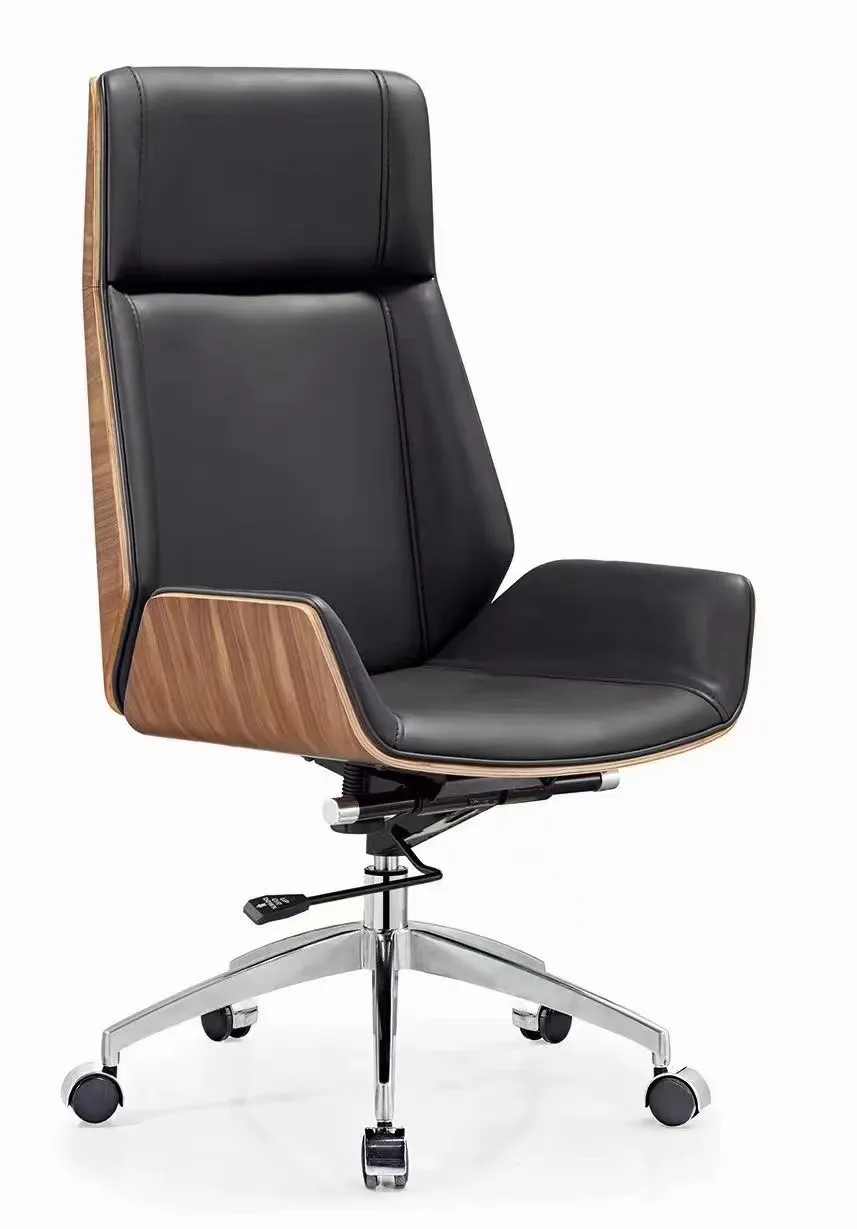
Kaleidoscope Jazz Chair (nl). 1960. 6 minutes,
30 seconds. This film incorporates the technique of photographing
through a mirror system to achieve radial kaleidoscopic images. The
film has two parts: the first shows fast-moving images of chairs,
objects, and materials; the second part is of Eames Office images
dissolving into a sequence of stop-motion shots of Charles and Ray in
multi-colored chairs. Music by Dick Marx.
Introduction to Feedback. 1960.
11 minutes. Color. By using a large variety of familiar examples that
all have feedback principle in common, this film presents a broad view
of the phenomena present in control mechanism and social situations.
Musical score by Elmer Bernstein." Winner of Festival International du
Film de Montreal Award, 1961, Internationale Filmwoche, Mannheim,
Germany, Award, 1961, Melbourne Film Festival Award, 1963.

Sequences in the CBS special Fabulous Fifties,including Music Sequence, Dead Sequence, De Gualle, Gift From the Sea (nl), The Comics (nl), Where Did You Go--Out? (nl). 1960.
B&W. Eames described the Music Sequence: This introduced what later
became a fashionable quick-cut technique in television. It was a resume
of the popular music of the fifties, for Leland Hayward's 'Fabulous
Fifties'. Winner of Emmy Award for Graphics, 1960.
IBM Mathematics Peep Show. 1961.
11 minutes. Color. Produced originally to support the mathematical
exhibition designed for IBM, this film is composed of five individual
segments--each about 2 minutes long and each demonstrating a particular
mathematical concept. Music by Elmer Bernstein. Winner of Festival
International du Film de Montreal Award, 1961, London Film Festival
Award, 1963.
ECS (Eames Contract Storage). 1962. 7 minutes. Color. A training and sales film for Herman Miller.
House of Science. 1962.
15 minutes, 30 seconds. Color. Six-screen presentation commissioned by
the US Government for Seattle World's Fair. It has become a permanent
exhibit called Eames Theatre. Eames has described a
single-screen version:"Asingle-screen version of the multi-screen
introduction to the United States Science Exhibit in Seattle. The
'House of Science' draws attention to the role of men, their
environment, ideas and achievements in our world--a view of science and
how it got that way."
Before the Fair. 1962.
8 minutes. Color. This film, made for Herman Miller, shows the very
last-minute hustle, bustle, painting and clean up on the days just
before opening the 1962 Seattle World's Fair--also some Herman Miller
furniture.
IBM Fair Presentation Film I & II. (nl). 1962, revised 1963.
The first film presents the preliminary design proposals for the IBM
pavilion at the 1964 New York World's Fair. The second film is a
revised version of the first and details the modifications and
additions that were agreed upon after the original proposal was viewed.

Sequences in CBS special The Good Years, including Meet Me in St. Louis, San Francisco Fire, (nl), Panic on Wall Street (nl). 1962. B&W.
Think. 1964, revised 1965. 13 minutes, 30
seconds. Color. A multi-screen presentation at the Ovoid Theater of the
IBM Pavilion of the New York World's Fair. Think was projected
on 22 separate screens (shaped in circles, squares, triangles, and
rectangles), and included a live host. The 22 images were not projected
simultaneously, and included live ans till motion and animation. The
IBM Pavilion, including the Ovoid Theater, was designed by Eames. Think
is available in a single screen condensation of the elaborate
multi-image show at the IBM Pavilion in New York, aimed at showing that
the complex problems of our times are solved in the same way as the
simple problems, they are just more complicated. Musical score by Elmer
Bernstein.
Computer Day at Midvale. 1965.
A film record of one of two electronically controlled puppet shows made
by the Eames Office for the IBM pavilion. The puppet shows were shown
in small theaters on the grounds of the pavilion and were used to
convey basic information about new technology in a traditional and
entertaining way.
IBM Puppet Shows. 1965.
9 minutes. Color. Two puppet shows titled "Sherlock Holmes in the
'Singular Caes of the Plural Green Mustache'" and "Computer Day at
Midvale." A film version of two electronically controlled puppet shows
on display at the IBM Pavilion at the New York World's Fair. In one,
Sherlock Holmes solves a crime by his usual method (and the computer
method)--Boolean Algebra. In the second, then, the town of Midvale
celebrates the installation of its first computer. The mayor jumps to
some conclusions which the computer expert has a difficult time
correcting.
IBM at the Fair. 1965. 7 minutes, 30 seconds. A fast-paced montage of the IBM Pavilion. Music by Elmer Bernstein.
Westinghouse A.B.C. 1965.
12 minutes. Color. Pictures of some quick glimpses of current
Westinghouse products--in alphabetical order. Music by Elmer Bernstein.
The Smithsonian Institution. 1965.
36 minutes. B&W. A film produced at the time of the 200th
anniversary of Smithsonian's birth. It describes events leading up to
the founding of the institution and the work of those men that set the
character of the Smithsonain. Music by Elmer Bernstein.
Horizontes. 1966. Opening and end titles for a series of Latin-American films for the USIA.
View from the People Wall. 1966.
This is a 16mm single-screen composite of the multi-screen presentation
"Think." Charles felt that the message of "Think" was valuable enough
to warrant reworking the material into a film that would have a wider
circulation and a longer life than the fair presentation.
The Leading Edge. 1966.
11 minutes. Color. A film designed to illustrate the degree to which
computer control is used to support, insure and extend development,
design and production in a modern aero-space manufacturing facility.
National Fisheries Center and Aquarium. 1967.
10 minutes, 30 seconds. Color. This film was made from still photos and
transparencies transferred to film, live-action location photography,
and footage of the model and of live marine specimens filmed in the
Eames Office.
A Computer Glossary. 1967.
10 minutes, 47 seconds. Color. With a live-action prologue that gives
an intimate view of a computer data path, this animated film presents,
through computer terminology, some revealing and characteristic aspects
of the elctronic problem-solving art. Used in the IBM Pavilion at the
San Antonio World's Fair. Music by Elmer Bernstein.
National Aquarium Presentation. 1967. 10
minutes, 34 seconds. Color. A film report to the Secretary of the
Interior showing what the architecture and the program of the new
National Aquarium will be, something of what it would contain and
general philosophies and discipline that would be involved. Musical
score by Buddy Collette.
Schuetz Machine. 1967. 7 minutes, 15 seconds. Color. Visual study of the Schuetz calculating machine.
IBM Museum. (nl). 1968.
10 minutes. The Eames Office presented a proposal for the museum in a
study film, using animated and live-action sequences, drawings, still
photographs, and clips from other films to show how the museum could
give "a fresh look at those historic objects and events that help place
the computer in terms of our changing culture...Ideally it would be
housed in a beautifully equipped loft space with the mood of a working
laboratory, where visitors could feel that they were being let in on
the experience."
Lick Observatory. 1968.
10 minutes. Color. A somewhat nostalgic view of an astronomer's
environment in an observatory on a mountain--made to give students who
have not seen a large instrument something of the smell and sentiment
of these surroundings.
Babbage. 1968. 3 minutes, 50 seconds. A visual study of the calculating machine or difference engine.
Powers of Ten. 1968.
7 minutes, 53 seconds. Color. A linear view of our universe from the
human scale to the sea of galaxies, then directly down to the nucleus
of a carbon atom. With an image, a narration and a dashboard, it gives
a clue to the relative size of things and what it means to add another
zero to any number.
Photography and the City. 1969. 15 minutes.
Color. A film about the influence photography has had on the hsaping of
cities and the solving of urban problems. The first part is a historic
review of some of the photographs that for the most part, by intent,
have had an influence on the city. The last part is essentially a
catalogue of those images from which a wide variety of information
about the city can be derived.
Tops. 1968. 7 minutes, 15 seconds. Color. A visual study showing a variety of spinning tops
Image of the City. 1969.
Based on the Eames Office exhibition "Photography and the City." Both
the exhibition and the film explored the influence photography has had
on the shaping of cities and the solving of urban problems. The first
part is a historic review of some of the photographs that for the most
part, by intent, have had an influence on the city. The last part is
essentially a catalogue of those images from which a wide variety of
information about the city can be derived.
| 62 Hits
|
|