
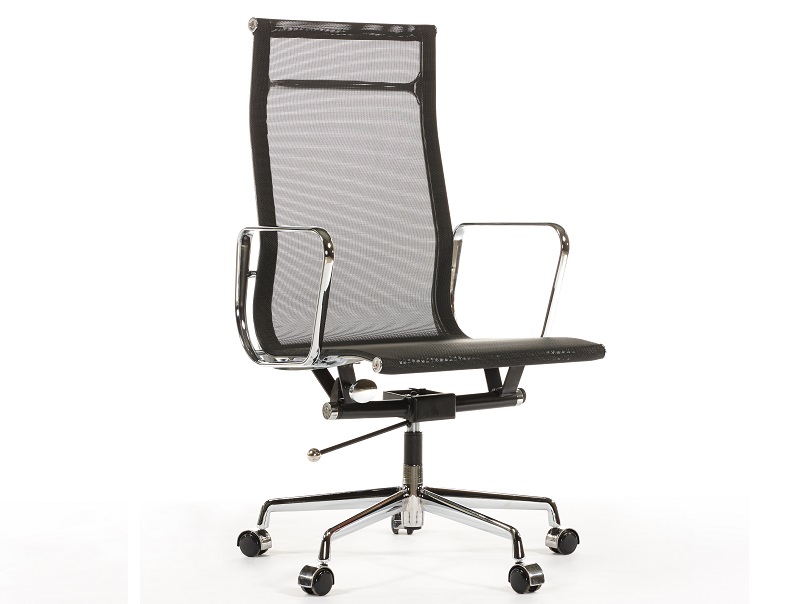
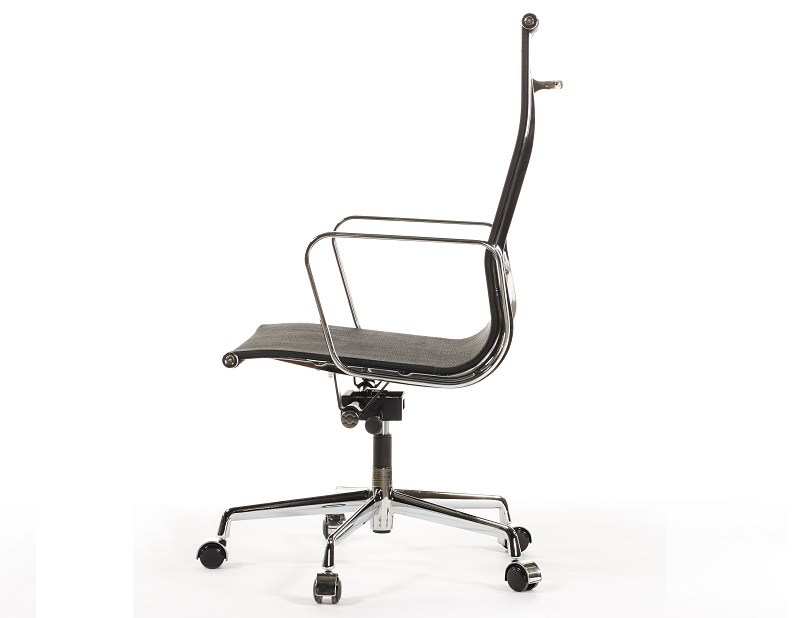
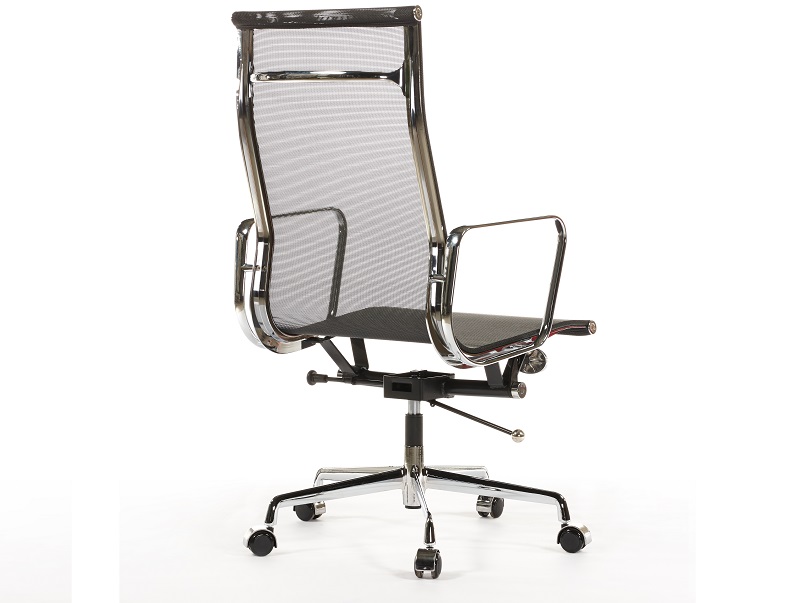
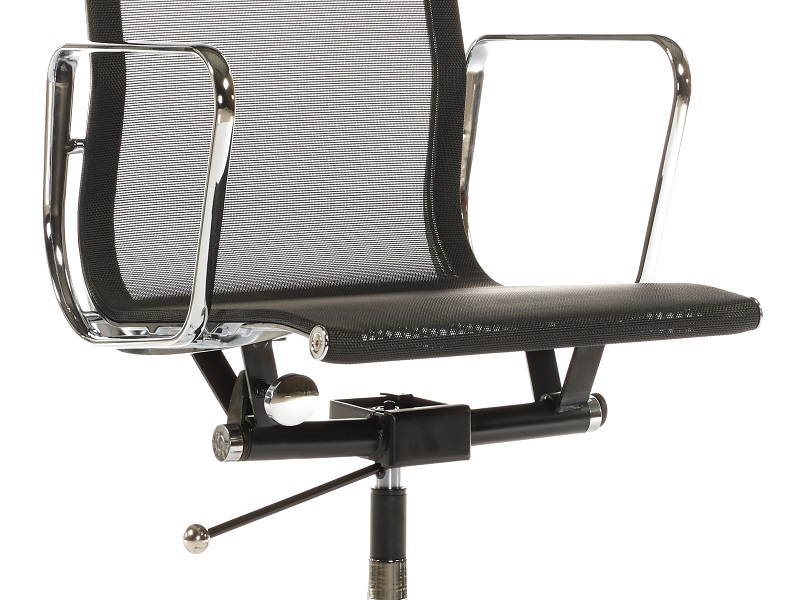
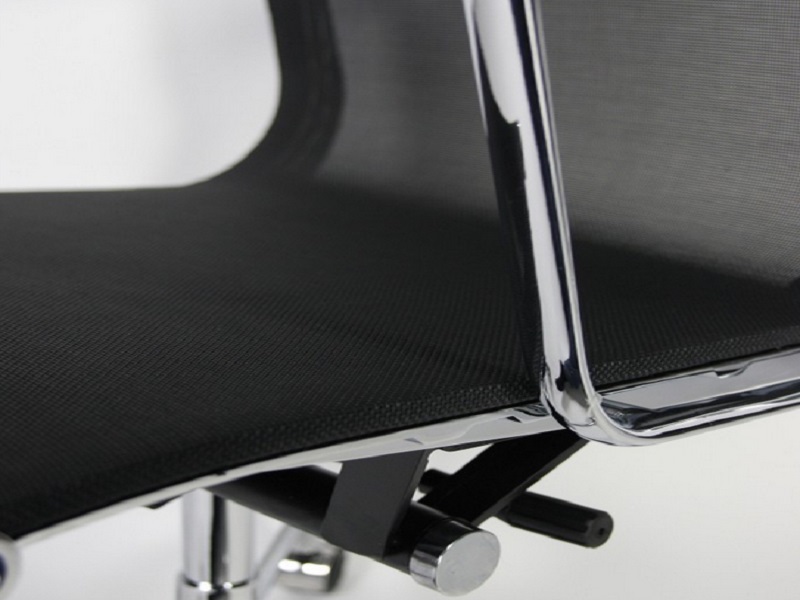
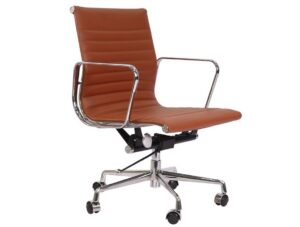
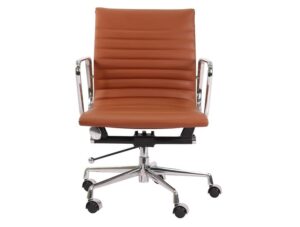
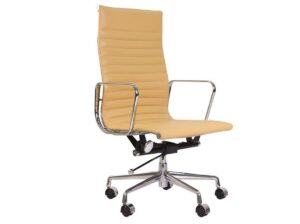
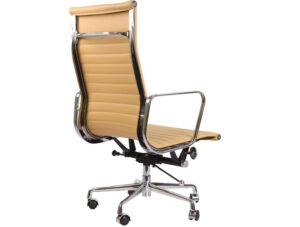
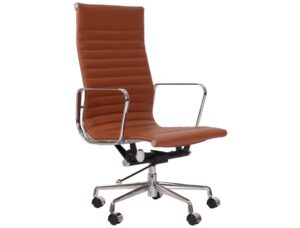
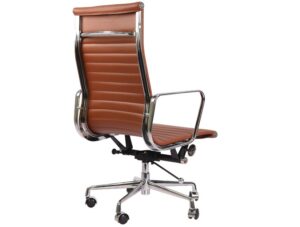
Bring executive mid-century support straight to your European workspace with the eames management ea119 high back mesh office chair replica black. This premium high-back replica features breathable black mesh seating and tall backrest with a sleek die-cast polished chrome aluminium frame. Perfect for management offices or professional home studies across the EU, it delivers full adjustability plus head and neck support so you stay cool, supported and focused during long hours at your computer desk.
The Timeless Legacy of the Eames EA119
Inspired by Charles and Ray Eames’ innovative 1958 Aluminium Group design, the EA119 high-back chair brought lightweight, durable seating with extra head and neck support to modern offices. Its suspended mesh on an aluminium frame offers flexible, breathable comfort that still feels fresh today. Our premium reproduction honours every authentic detail while making this mid-century modern classic accessible to executives and professionals throughout Europe.
Premium Materials and Expert Craftsmanship
We craft every chair to the highest standards so it looks and feels like the original – only better value for your budget.
- Breathable black mesh fabric, tensioned for flexible support and excellent airflow
- Die-cast polished chrome aluminium frame and five-star base for authentic strength and shine
- Tall high-back design for full head and neck support
- Smooth height adjustment, gentle tilt mechanism and 360-degree swivel
- Durable non-marking casters for easy movement on any floor
Material Transparency and Quality Assurance
Unlike cheaper copies that use thin fabric or stiff mesh, our chair uses high-tension black mesh that stays cool and supportive all day. The frame is true die-cast aluminium, not stamped metal. This premium build is EU fire-safety compliant and built for daily executive use.
Unmatched Comfort and Ergonomics for Long Workdays
Yes, this chair swivels a full 360 degrees, tilts gently and adjusts in height from 48 to 57 cm seat height. The tall high-back with breathable black mesh gives full lumbar, shoulder and head support while allowing constant airflow during eight-hour computer sessions. Height-adjustable for perfect desk fit, gentle tilt for relaxed posture, and smooth casters make reaching your keyboard or files effortless. Ideal for professional European offices or home setups where executive comfort matters all day long.
Dimensions and Specifications
| Feature | Measurement |
|---|---|
| Overall height (adjustable) | 106–116 cm |
| Seat height (adjustable) | 48–57 cm |
| Overall width | 53 cm |
| Armrest height | 70–79 cm |
| Weight (approximate) | 18 kg |
Care and Maintenance for Longevity
- Dust the mesh regularly with a soft dry cloth
- Clean gently with mild soap and water when needed
- Avoid harsh chemicals or bleach on the mesh
- Polish the chrome frame gently with a microfibre cloth
- Tighten any connections periodically
- Protect from sharp objects and heavy pets
- Keep away from direct heat sources
Peace of Mind – Warranty, Delivery and Returns
- 2-year warranty covering manufacturing defects
- Fast EU-wide delivery – usually 2–5 working days, handling time 1–2 days
- Always Free Shipping across Europe – no minimum order
- 14-day hassle-free returns – no questions asked
- Secure double-walled packaging plus optional white-glove delivery
- No customs hassles for EU customers – fully compliant
Why Choose Our Eames Management EA119 High Back Mesh Office Chair Replica Black
While original Vitra EA119 chairs often exceed €1,500, our premium reproduction gives you nearly identical look, feel and durability at a sensible price. You get tensioned black mesh for all-day breathability, solid aluminium construction, tall high-back support and full adjustment features – all in the professional black that suits any European interior. This is the chair for executives who want authentic mid-century style with modern ergonomic comfort.
Browse our full Eames-style office chair replicas collection or pair it with our Eames-style dining chairs for a complete executive look.
Frequently Asked Questions
Is this a genuine Eames EA119 chair?
No, this is a premium Eames-style reproduction built to the exact original proportions and quality standards at a far more accessible price.
Is the eames EA119 black mesh chair comfortable for long hours?
Yes – the tall high-back with tensioned black mesh provides full head, neck and lumbar support while allowing excellent airflow for all-day comfort.
Does the eames management ea119 replica have lumbar support?
Yes – the flexible high-back mesh naturally cradles your lower back and promotes healthy posture during extended computer work.
How to adjust eames EA119 black mesh height and tilt?
Use the lever under the seat for smooth height adjustment from 48 to 57 cm and the tilt tension knob for personalised recline.
Is black mesh ea119 better than leather for back pain?
Many users find the breathable mesh reduces heat and pressure points better than leather, offering superior airflow and flexible support for back comfort.
What is the difference between EA117 and EA119?
The EA119 is the high-back executive version with taller support for head and neck, while EA117 is low-back. Both share the same breathable mesh and classic style.
Is assembly required?
Only minor assembly – simply attach the base and arms. Clear instructions and all tools are included; it takes most people under 15 minutes.
Will it fit under standard European desks?
Yes. The adjustable seat height works perfectly with typical 72–78 cm desks common across the EU.
Ready to elevate your workspace with executive comfort? Add the eames management ea119 high back mesh office chair replica black to your cart today. Limited stock in this professional black – order now and enjoy fast EU delivery plus years of cool, supported workdays.
Reviews
There are no reviews yet.