

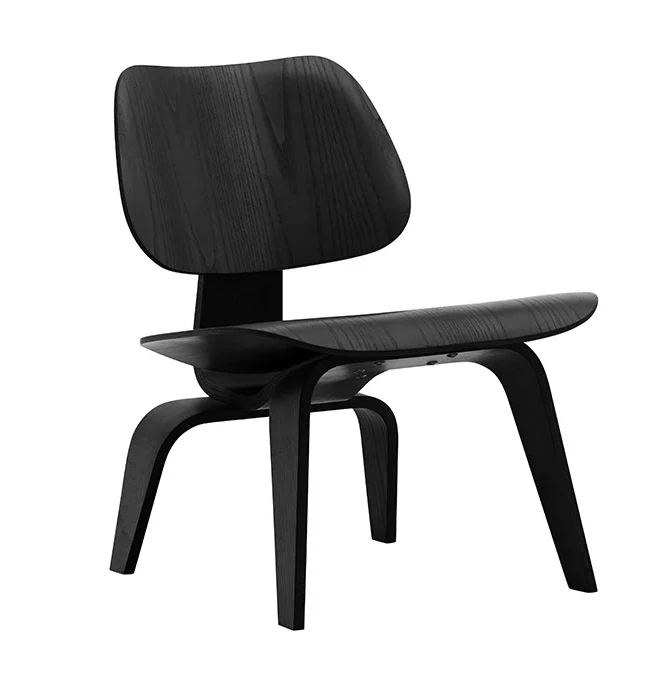
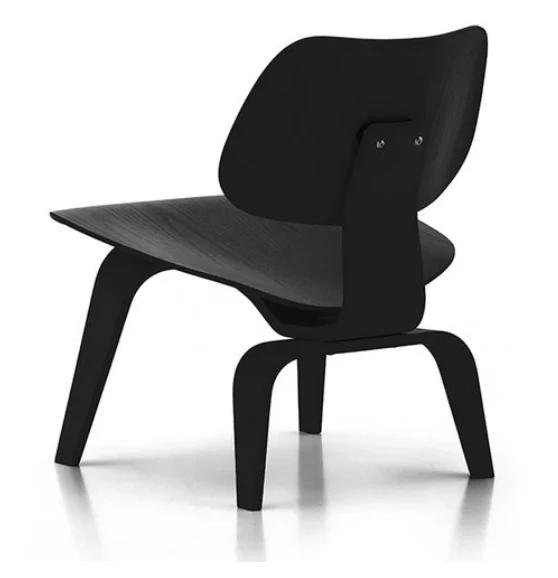
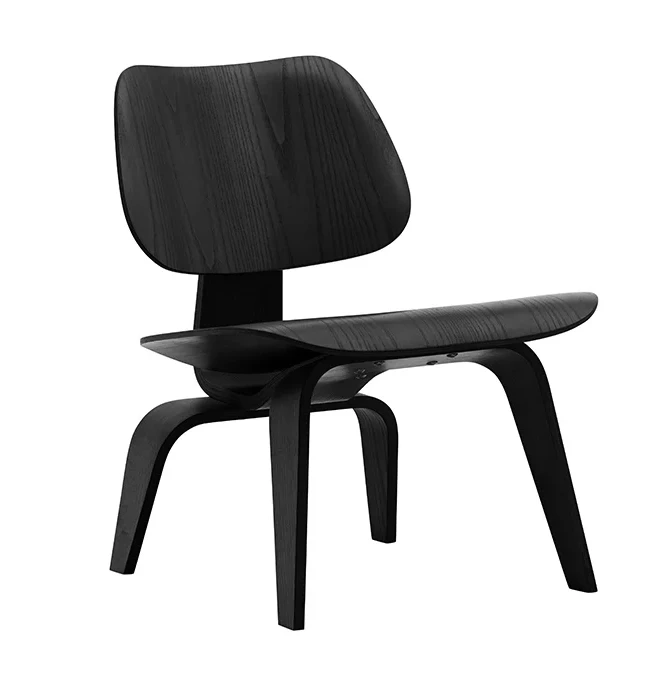
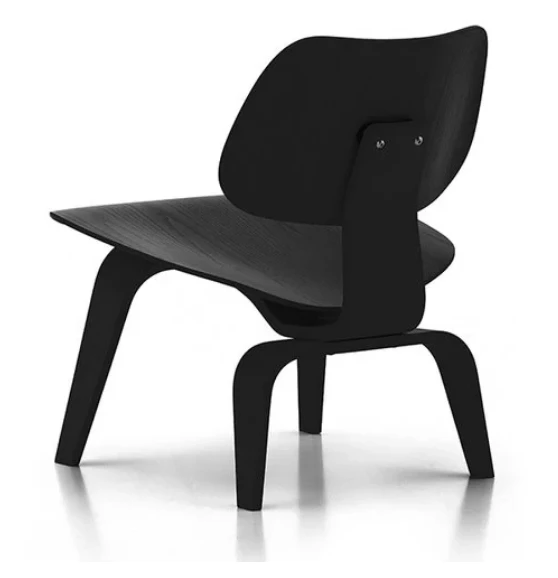
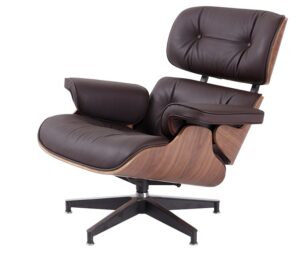
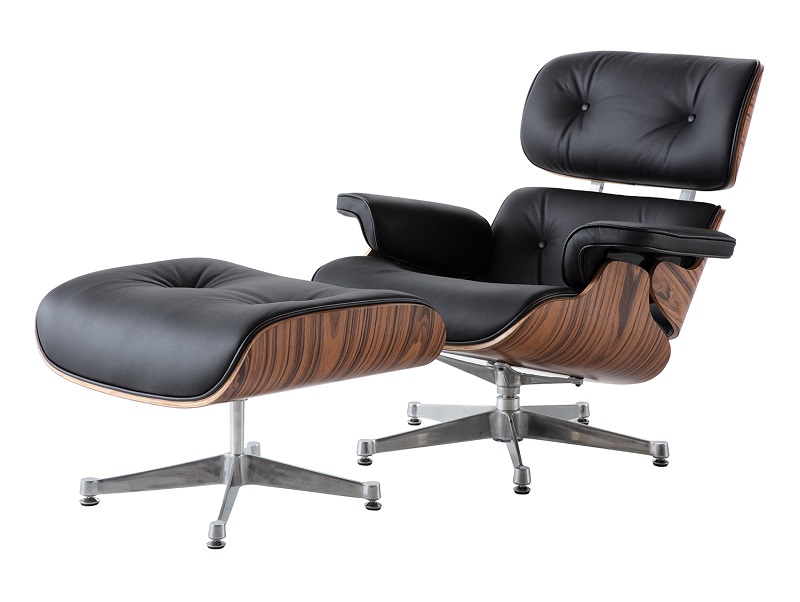
Add bold minimalist drama to your European interior with the eames lcw replica black. This premium molded plywood lounge chair features a sleek matte black ebony stain on sculptural shells that cradle you comfortably for relaxed seating while keeping the natural grain visible for subtle warmth. Perfect as a modern statement piece in living rooms, offices or minimalist European homes, it delivers timeless design with natural flexibility and clean graphic impact.
The Black Eames LCW: A Design That Dates to 1946
Black aniline stain was one of the first finishes used on the Evans-produced LCW in 1946. Rare and sought-after: original black Evans LCWs now command premium prices at auction. The black version is favoured by architects, interior designers, and design collectors. A contemporary interpretation of a historically significant colourway. Named ‘Best Design of the 20th Century’ by Time Magazine — in any colour.
What ‘Black Stained’ Means — and Why It Matters
Black ebony stain penetrates the veneer surface, leaving grain visible beneath. This is NOT spray paint: the wood texture remains tactile and warm. Matte finish: no plastic sheen, no reflection glare, no fingerprint magnification. Stain is water-based, VOC-free, and skin-contact safe once cured. Substrate: birch-core plywood — fine, consistent grain shows character beneath the stain.
Construction: 7-Ply Engineering in Monochrome
7-ply cross-grain core for maximum strength at the ergonomic bend curves. E0-certified adhesive — formaldehyde-free construction. Black ebony stain applied before final sealing — penetrates, does not peel. Rubber shock mounts: the innovation that makes the LCW ergonomically superior. EN 1022 tested: 150 kg / 330 lbs load capacity.
Interior Design: Styling the Black LCW
White-walled interiors: maximum contrast and graphic impact. Light oak floors: the black chair pops without competing tonally. Monochrome rooms: pairs with black, white, grey, and chrome finishes. Architecture studios and design offices: the professional’s choice. Photography: the black LCW is among the most-featured pieces in interior content creation.
Floor & Surface Pairing Guide
Light oak / ash floors: high contrast, dramatic — photographer’s favourite. Concrete / grey resin floors: industrial-cool, architectural feel. White painted floors: sculptural floating effect — Scandinavian gallery aesthetic. Dark walnut floors: tonal harmony — sophisticated and cohesive. Terracotta tiles: unexpected warmth contrast — works in bohemian and eclectic interiors.
Care & Maintenance for Black Stained Plywood
Dust with a dry microfibre cloth — the matte finish shows dust less than gloss finishes. For marks: barely-damp cloth with mild soap; dry immediately. Touch-up kit available: matching black furniture marker for minor surface scratches. Avoid silicone polishes — they create uneven sheen on matte finishes. Keep away from prolonged direct sunlight to prevent UV bleaching of the black stain.
Peace of Mind – Warranty, Delivery and Returns
- 2-year warranty covering materials and build
- Fast delivery across the EU – typically 2–5 working days
- Free shipping on orders over €95
- 30-day hassle-free returns
- Secure protective packaging
- White-glove delivery option available
Why Choose Our Eames Style LCW Plywood Chair – Modern Black Stained
While original Vitra or Herman Miller black-stained LCW chairs often exceed €1,200, our premium reproduction gives you nearly identical look, feel and durability at a sensible price. You get 7-ply molded plywood construction, matte black ebony stain with visible grain and authentic shock mounts – all in that clean modern finish that adds bold graphic drama to every room. This is the chair for design lovers who want the iconic museum black aesthetic with everyday comfort.
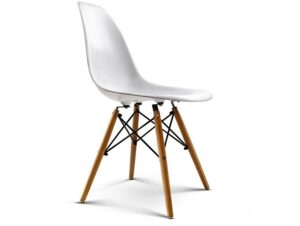
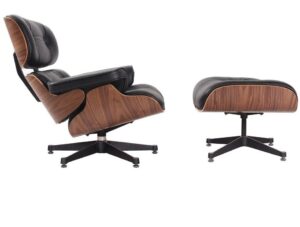
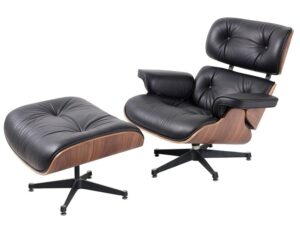
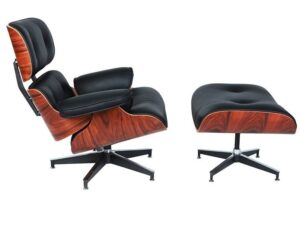
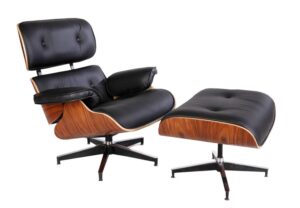
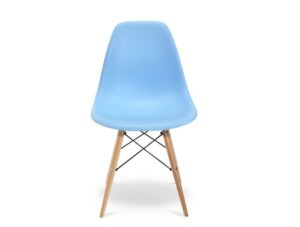
Browse our full Eames-style dining chairs collection or pair it with our Eames lounge chair replica for a complete mid-century look.
Frequently Asked Questions
Is this a genuine Eames LCW chair?
No, this is a premium Eames-style reproduction built to the exact original proportions and quality standards at a far more accessible price.
Is the grain still visible through the black stain?
Yes — our black ebony stain is semi-transparent, so the natural wood grain shows through for subtle warmth and texture.
Is the black finish matte or glossy?
Matte — it resists fingerprints and glare while keeping a sophisticated modern look.
Will black show scratches more than walnut?
Minor scratches are less noticeable on the matte finish and can be easily touched up with our matching marker.
How comfortable is the black LCW for long sitting?
Very comfortable. The moulded curves and shock mounts provide natural support for relaxed sitting.
Does it require assembly?
Minor assembly needed — simple leg attachment with all tools and instructions included.
Ready to add bold minimalist drama to your home? Add the eames lcw replica black to your cart today. Limited stock in this modern black stained finish — order now and enjoy fast EU delivery plus timeless comfort.


Reviews
There are no reviews yet.